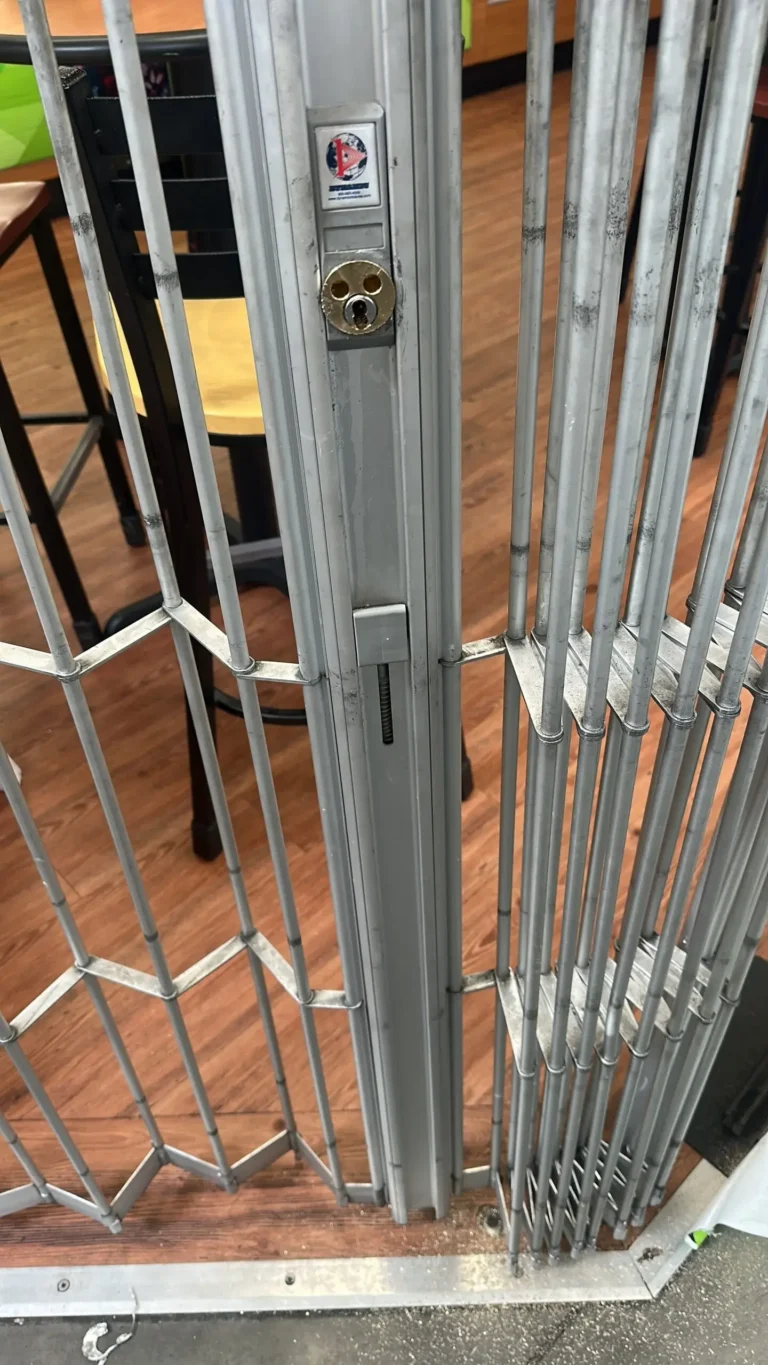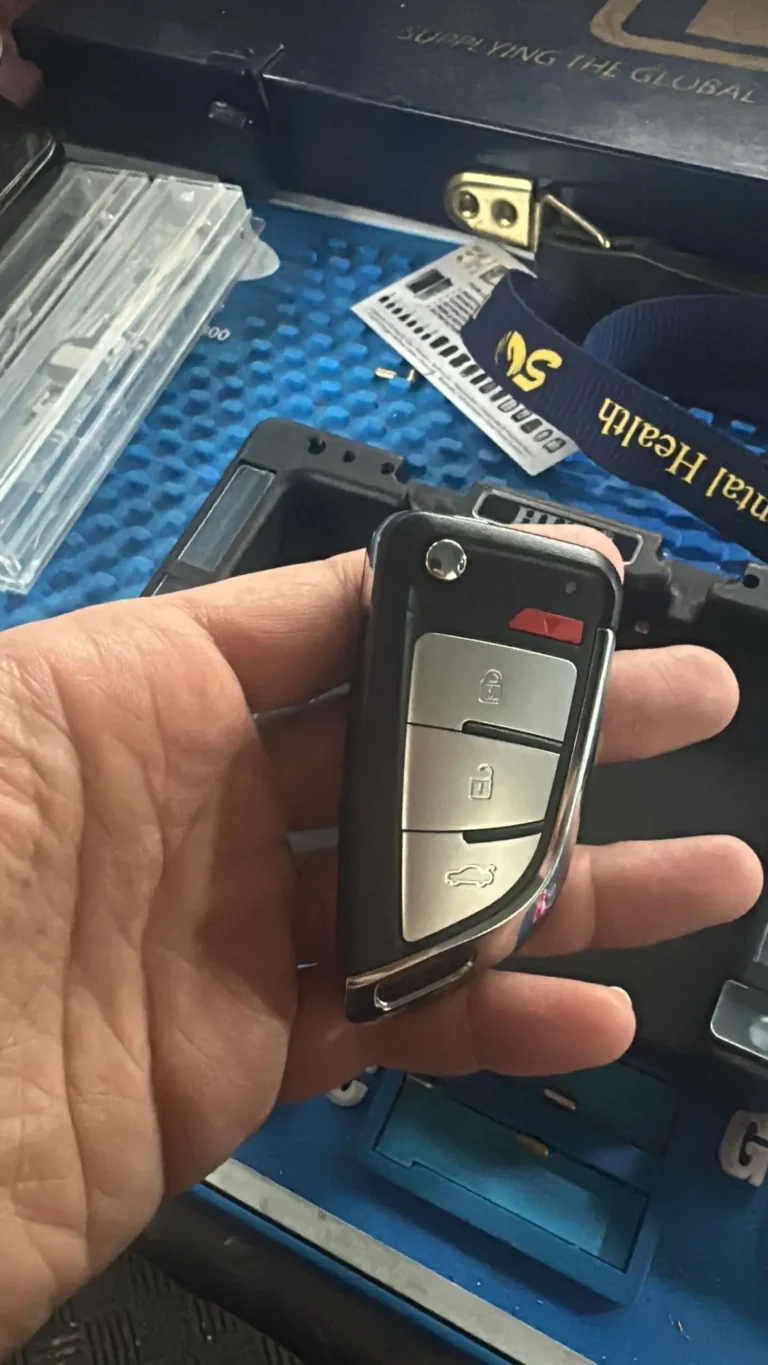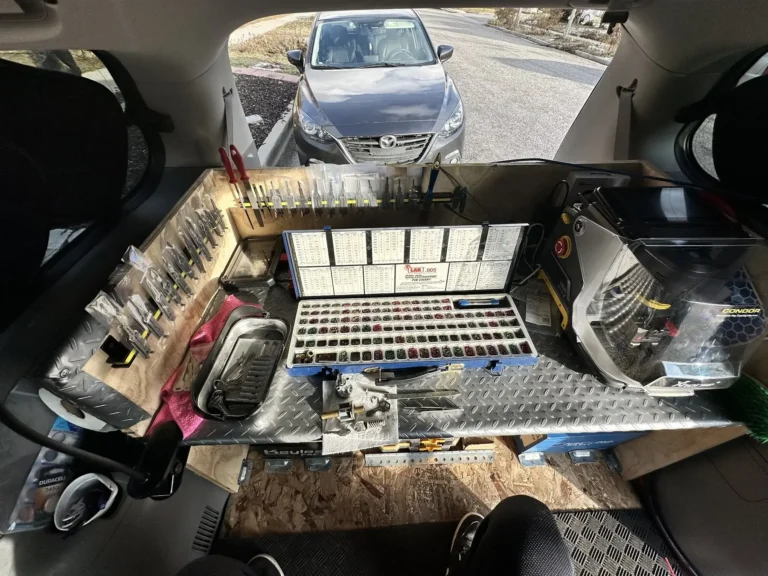
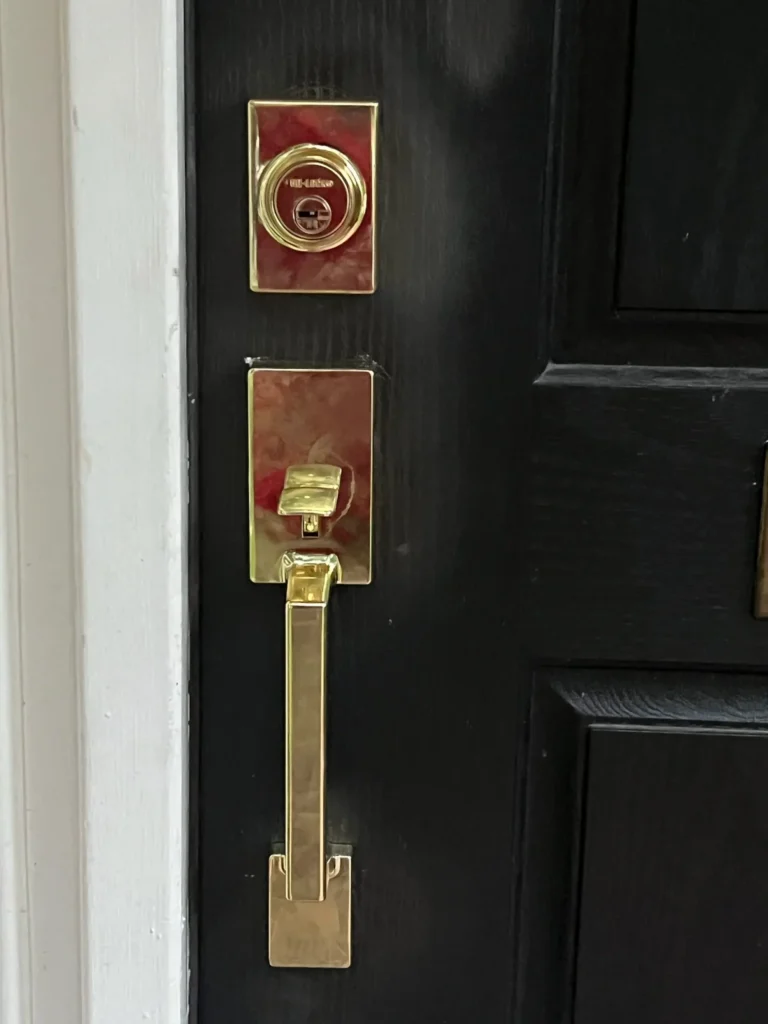
A sticking lock needs an assessment of how the key, lock, latch and door work together. Rekeying changes key access; it does not automatically fix a jam or door-alignment problem. Describe the symptoms first, then ask whether repair, adjustment or replacement is suitable.
If you have to struggle with a key or pull a door hard to operate the deadbolt, avoid treating force as the solution. This guide helps you prepare a useful lock-repair request in Salt Lake City. It does not diagnose your lock remotely or prescribe a lubricant or adjustment for every product.
Record what is sticking
Separate the symptoms: a key that is difficult to insert, a key that resists turning, a latch that does not retract or a deadbolt that does not extend normally. Note whether it happens with every available key or only one, and whether the inside control behaves differently. These observations help explain the problem without proving its cause.
Do not keep twisting a key that is bending or feels as though it may break. If you cannot operate the door safely, stop and request an assessment. If you are already locked out, our house lockout checklist helps you describe the access issue.
Explain the difference between open and closed
If you can observe operation safely without risking a lockout, note whether the deadbolt moves normally with the door open but catches when closed. Schlage’s deadbolt installation guide checks operation in both positions and identifies alignment as something to address when the bolt drags against the strike. This is a useful observation to report, not proof that every sticking lock has the same cause.
A door that needs pushing or lifting is a different symptom from a key that will not enter its cylinder. Tell the provider about both. Do not file hardware, change strike openings or dismantle a lock on the assumption that a similar online example applies to your entrance.
Keep electronic symptoms model-specific
For an electronic lock, record the exact model, displayed message and whether the inside manual control works normally. Kwikset’s Premis support guidance considers door fit, batteries and installation in its discussion of repeated bolt jams or slow operation. Those are product-specific checks, not a general instruction to change settings or dismantle another lock.
Follow the exact manufacturer’s guidance for batteries, permitted maintenance and backup access. Do not use an unspecified cleaner or lubricant because a generic article recommends it. Keep a reliable way back inside when testing an electronic lock.
Compare repair, rekeying and replacement
| Your goal | Option to discuss |
|---|---|
| Restore normal operation | Assessment of the lock, latch, strike and door fit; suitable repair or adjustment. |
| Change who has a working key | Rekeying compatible working hardware; assess the sticking issue separately. |
| Change damaged or unsuitable hardware | Replacement with hardware appropriate for the door and required function. |
Start with lock repair in Salt Lake City when operation is the problem. Ask the provider to explain the observation supporting the proposed work. If your key-access needs have also changed, discuss rekeying as a separate goal. If replacement is proposed, ask about the hardware and door requirements before agreeing to a lock change.
Our rekeying versus replacement guide covers access decisions. This article focuses on the operating symptoms, so an access change and a repair are not presented as interchangeable outcomes.
Get a clear scope before extra work
Explain the symptoms and ask what the initial estimate covers. If inspection may change the recommended work, ask how a revised scope, parts and amount will be presented for approval. Keep the decision about replacement separate from an unexplained low starting price.
Use our locksmith quote questions to compare the same work. After the agreed repair or replacement, ask to check the intended lock and door operation and keep the itemized record. A successful check at handover is not a promise that a door will never need future maintenance.
Request an assessment
Call (385) 354-5566 with your Salt Lake City location, the visible hardware brand and the symptoms you observed. You can also send a request through our contact page. We can discuss the issue and confirm availability.
Need help with your locks or keys?
Tell us what happened and where you need service. We can discuss the work and confirm availability.